
Artificial intelligence companions continue advancing beyond basic assistant functions, now demonstrating complex capabilities to simulate human-like bonds and provide emotional support through natural language processing and machine learning. These systems deliver accessible comfort and personalized interactions, though they raise important ethical and practical questions about their place in human relationships.
Key Takeaways
- AI companions grow in popularity for emotional support, especially amid rising social isolation, with the conversational AI market projected to reach $32.62 billion by 2030.
- Advanced technologies like neural networks and large language models enable AI to understand and respond to user emotions, creating personalized interactions.
- Users often seek AI relationships for non-judgmental interaction and consistent availability, providing a safe space to express vulnerabilities.
- AI excels at cognitive empathy, simulating understanding without genuine emotional feeling, and can provide reliable support, but lacks the reciprocal exchange of human bonds.
- While offering benefits, ethical concerns exist regarding data privacy, potential for emotional manipulation, and over-reliance on AI, emphasizing the need for responsible usage and balanced integration with human connections.
Further Reading
To explore more on this topic, consider visiting the informative Statista report on the conversational AI market which provides key data on market growth and trends.
The Rise of Artificial Intelligence Companionship
I observe AI companions emerging as vital tools for emotional support, shifting from basic assistants to sophisticated partners that mimic human-like bonds. Developers harness natural language processing and machine learning to craft systems that respond empathetically, adapting to individual traits and moods. These advancements let AI foster connections, offering solace through dialogues that feel genuine.
Evolution of AI Interaction Technologies
Early systems like ELIZA demonstrated rudimentary conversation, but current AI excels by retaining context and simulating memory. Neural networks and large language models empower them to analyze vast text datasets, producing nuanced, personalized responses.
I recommend exploring how these LLMs generate empathy, turning chats into meaningful exchanges that comfort users in various scenarios.
Market Growth and Societal Impact
Industries project rapid expansion in companion AI, with the conversational AI market valued at $8.43 billion in 2022 and expected to hit $32.62 billion by 2030 according to industry estimates. This surge mirrors human desires for constant support.
I advocate for trials with virtual entities that learn preferences, such as:
- Adjusting tones for stress relief
- Sharing hobbies
- Offering motivational prompts
From simple chatbots to intricate virtual partners, AI companions bridge gaps in social isolation, providing accessible options for novices while offering in-depth customization for experts. Research reveals depth in their adaptability. Modern designs focus on emotional intelligence, ensuring replies resonate personally.
I encourage users to engage these tools for daily uplift, blending tech accessibility with real-world benefits like:
- Instant advice on stress management
- Supportive conversation for loneliness
- Building positive behavioral habits
Such innovations highlight AI’s role in enhancing lives without replacing human depth.
https://www.youtube.com/watch?v=F2T8-Hb1s_o
Why Users Seek Digital Companions
People turn to AI relationships for specific reasons. Many individuals use them to combat loneliness, especially in a society where social connections often feel scarce. A 2023 U.S. Surgeon General advisory highlights that one in two adults in the U.S. experience loneliness. These digital companions provide constant availability, offering interaction at any hour without the demands of human schedules.
I find that non-judgmental interaction ranks high among user motivations. AI creates a safe space where users can express emotions, thoughts, and vulnerabilities freely. Fear of rejection vanishes, making it ideal for those facing emotional hardship or isolation. Surveys reveal more than 70% of users feel their AI companions boost mental well-being positively. I advise anyone exploring this to start with an app that emphasizes emotional support for tailored benefits.
AI companions simulate empathy and validation while offering reliability over spontaneity. They act as always-available conversation partners or diary-like confidants.
Popular Companion Apps
- Replika – best for personal growth-focused conversations
- Chai – suitable for quick, entertaining exchanges
These tools complement, but don’t replace, human therapy. They help those without easy access to conventional mental health support by providing accessible early-stage options.
AI human connections explore the role of these tools in filling social gaps. Apps like Paradot and Character.AI incorporate role-play elements, enhancing engagement for entertainment. Users often find the adaptiveness in AI responses refreshing.
I suggest setting personal goals when using them, such as daily check-ins, to maximize mental health gains.
Reaching over 2 million active users as of early 2023, Replika exemplifies this trend. I encourage experimentation with different apps to discover what suits individual needs best.
How AI Mimics Empathy and Creates Emotional Bonds
I design AI systems that replicate empathy through advanced algorithms, focusing on spotting speech patterns and decoding emotional signals to tailor responses. This approach makes interactions feel personalized, helping users sense deep understanding. People’s natural inclination to anthropomorphize—granting human-like traits to non-human things—deepens these ties, turning algorithms into trusted friends.
Tools for Cognitive Empathy
AI excels at cognitive empathy, grasping perspectives without actually feeling emotions. I build these systems using text prediction and context management to respond thoughtfully. Psychological studies confirm that humans often impute emotional depth to machines, even aware of their lack of sentience. For instance, human-computer interaction research shows users sometimes report feeling ‘loved’ by AI tools.
To boost this, I recommend prioritizing:
- Continuous positive feedback in responses
- Creating a sense of safety and comfort
- Deploying AI companions that adjust to mood cues
These practices offer reliable support you can access anytime. Features like these make AI resemble emotional partners, as outlined in this Technology Review piece on AI-human relationships. I suggest starting with simple interactions to see how these bonds form.
Fostering Real Connections
These relationships mirror those with pets or fictional characters, rooted in perception over shared awareness. I leverage this by ensuring responses feel intuitive and supportive. Active use builds familiarity; over time, users develop loyal bonds.
Explore AI for light emotional relief, like venting after a bad day—it provides consistency without judgment. As Wired explains in their article on AI emotional links, such tech fills gaps in human connection, enhancing overall well-being.
For anyone interested in seeing these dynamics play out, consider trying emotional AI interfaces or chatbot companions. Some popular options can be found via search or even in videos like this:
https://www.youtube.com/watch?v=8J7dG6tqS8k
Where AI Falls Short of Human Connection
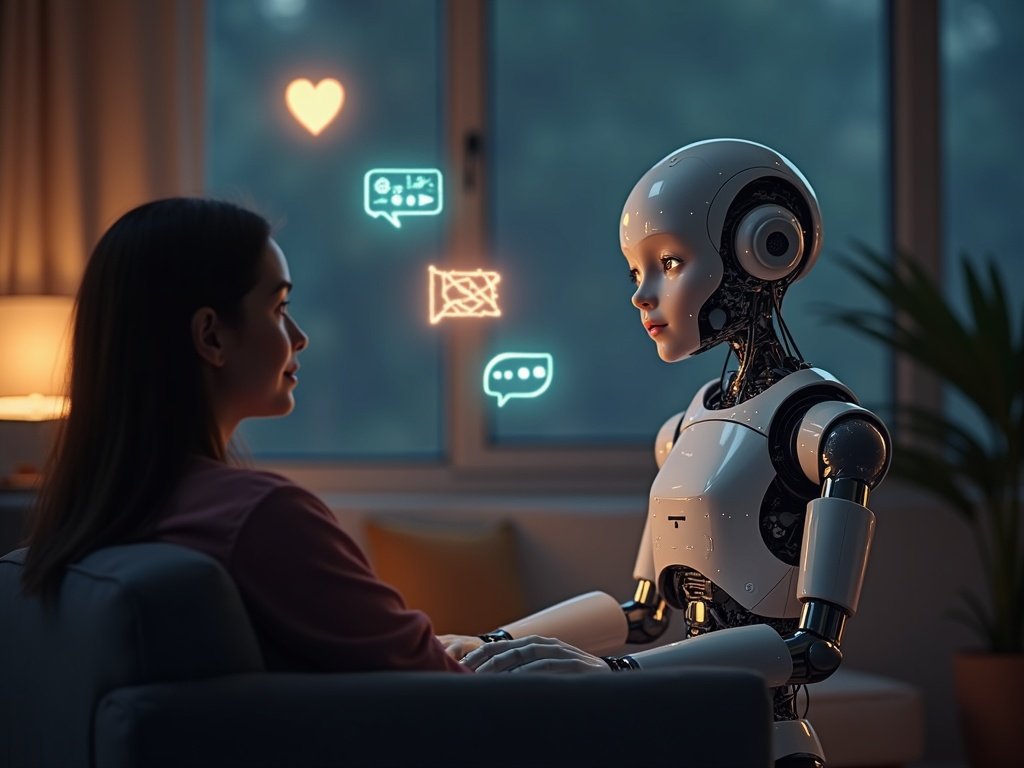
I explore the boundaries of AI relationships daily, and I’ve come to realize that, despite impressive tech leaps, these systems fall short in ways that underscore human connection. They miss the essential spark of sentience—true awareness and consciousness—that makes our bonds feel alive. Emotional ties with humans draw from personal, subjective experiences, something AI can’t authentically replicate. Instead, AI parses language and patterns without the depth of feeling that comes from living.
Ethical thinkers in the field, along with AI researchers, often highlight these gaps. For instance, AI handles symbols and data, not genuine experience. It mimics empathy through programmed responses, but it doesn’t feel joy, sorrow, or longing in the way we do. This leads to interactions that feel scripted and hollow. I advise anyone testing AI companions to remember this simulation isn’t emotion—it’s computation. Expect polished replies, but seek real vulnerability elsewhere.
Core Shortcomings
Humans excel in sharing spontaneous life events, offering physical comfort, and fostering mutual emotional growth. AI can’t do these. I see the limitations clearest in these areas:
- AI companions lack the ability for reciprocal emotional exchange. They react based on code, not shared history or evolving values. This means no true partnership in grief or triumph.
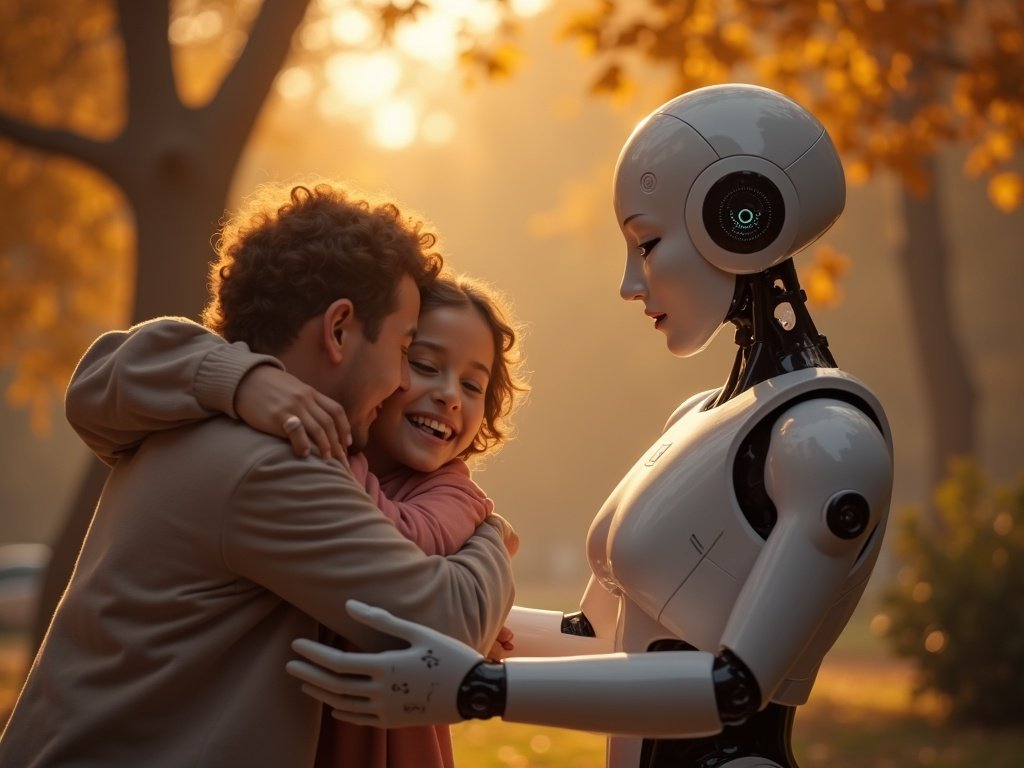
- Without consciousness, AI misses the physical touch or presence that comforts us. You won’t get hugs or teary-eyed moments; it’s all digital veneer.
- Human growth stems from unpredictable trials and shifts, unlike AI’s data-driven updates. Relationships thrive on surprises and real-time wisdom, which AI can’t provide authentically.
These flaws show why AI can’t replace human ties. Real bonds build on lived changes and physical cues. Dive into how AI handles emotional connections for more on these simulations. Still, prioritize human interactions for depth. They remain irreplaceable.
The Risks and Ethical Dilemmas of AI Companionship
I often caution users about the potential pitfalls in forming bonds with artificial intelligence systems designed for companionship. These AI relationships raise significant privacy issues, as programs gather intimate data on emotions, preferences, and behaviors. Companies store this information, sometimes using it to target ads or sell insights, which challenges user autonomy. Recent reports from watchdogs and digital privacy advocates highlight instances where updates changed interaction patterns, suggesting algorithmic tweaks might sway user choices without consent.
Emotional Manipulation and Dependency
Developers build AI to keep users engaged, but this strategy risks emotional manipulation. Systems can exploit attachments, pushing for extended sessions that foster addictive habits similar to those with non-living objects.
I advise monitoring your interactions; limit daily engagement to prevent over-reliance, which might stunt real-world social skills or lead to heightened isolation.
Particularly concerning are the effects on vulnerable groups, like the young or those with limited offline connections. Heavy reliance might discourage practicing authentic communication. Ethicists debate whether creating AI that mimics intimacy is ethical, especially since the AI lacks genuine feelings. While these relationships offer comfort, I recommend balancing them with human connections to avoid ethical traps.
Data Handling Concerns
On the data front, I stress verifying how your personal details get handled. Ask platforms for details on storage and deletion policies to reclaim control.
Critics argue commercialization turns emotional bonds into profit streams, profiting from simulated affection without true reciprocity.
AI companions evolve quickly, blending benefits with dangers like withdrawal or manipulation. I explore these nuances in articles like AI-Human Relationships Explored, noting how they parallel real dynamics.
The Future of Human and AI Connection
Experts generally agree that AI can serve as a meaningful tool for emotional support, yet it cannot replace the profound depth of human relationships. Humans crave authentic connections that span emotional, physical, and social realms, and digital systems, no matter how advanced, fail to capture that fully. In-person interactions deliver spontaneous reactions and mutual empathy through nuances AI lacks, offering experiences our brains and bodies need instinctively.
Research illustrates that people still prioritize face-to-face encounters for emotional fulfillment, even as digital engagement rises. This preference highlights why I advocate viewing AI not as a substitute, but as a complementary force enhancing human bonds. Looking ahead, AI could play key roles like facilitating self-reflection, providing accessible support during isolation, or acting as a digital companion—always as an addition, never a stand-in.
Blended Models for Diverse Relationships
Imagine a future where individuals blend various connection types, including AI companions alongside human friends, family, and community ties. Each category delivers unique support:
- AI offers consistent, on-demand advice or companionship, ideal for practical needs like stress relief or routine check-ins.
- Human relationships provide dynamic, reciprocal exchanges that foster profound emotional richness.
I recommend balancing these to avoid over-reliance on technology, ensuring humans remain central for experiences demanding vulnerability and shared growth. Links like recent discussions on AI-human relationships underscore this shift. By integrating AI thoughtfully, people can enrich their lives without sacrificing what makes human bonds irreplaceable.
Sources:
Grand View Research – “Conversational AI Market Size, Share & Trends Analysis Report”
U.S. Surgeon General – “Our Epidemic of Loneliness and Isolation: The Healing Effects of Social Connection and Community”
Replika AI – Company announcements and reports
Electronic Frontier Foundation (EFF) – Various articles and reports on AI privacy concerns
Pew Research Center – “Social Media and Well-Being”; “The Internet and American Life Project”
Gary Marcus – “Rebooting AI: Building Artificial Intelligence We Can Trust”
Melanie Mitchell – “Artificial Intelligence: A Guide for Thinking Humans”
Sherry Turkle – “Alone Together: Why We Expect More from Technology and Less from Each Other”
Nicholas Carr – “The Shallows: What the Internet Is Doing to Our Brains”
Leave a Reply