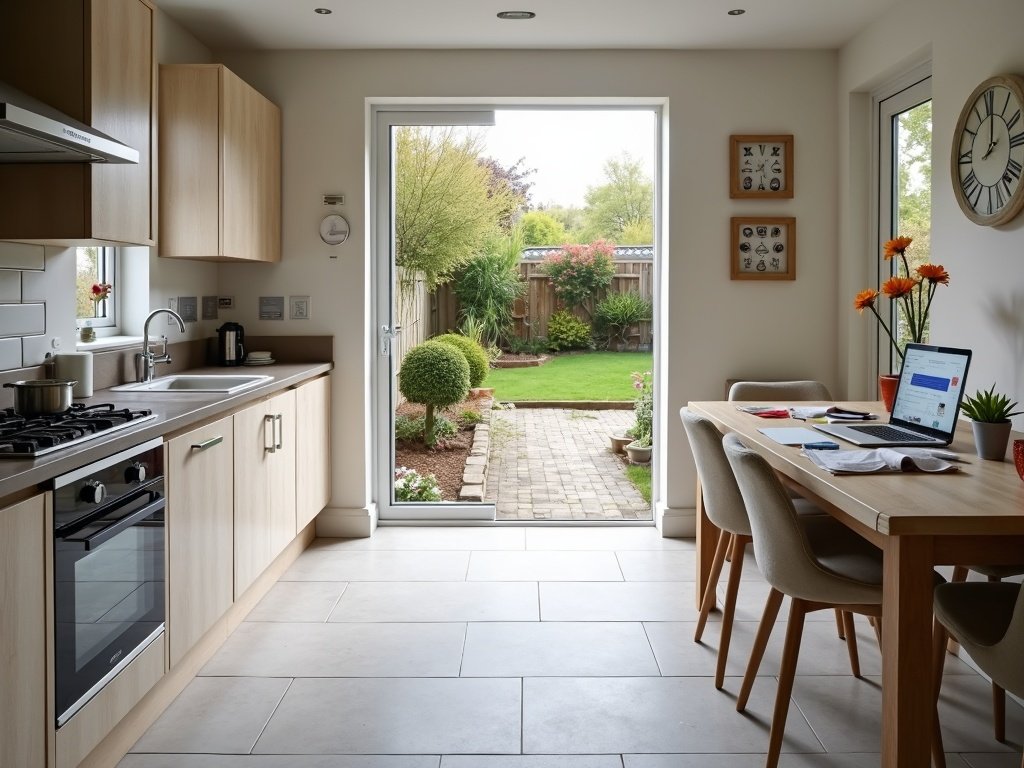
With careful planning and strategic choices, a £14,000 renovation budget opens doors to meaningful home improvements that deliver lasting value. I’ve found that this amount works exceptionally well for focused projects like kitchen refreshes, bathroom makeovers, or comprehensive cosmetic updates across several rooms. The key lies in understanding what this budget can realistically achieve while avoiding costly structural modifications that would quickly drain your funds.
Smart Budget Allocation for Home Renovations
Smart allocation proves essential for maximizing your investment. Focusing on one or two high-impact areas is more effective than stretching the budget across multiple larger projects. This balance ensures the delivery of professional-quality results that have a meaningful impact on your living space.
Key Takeaways
- Allocate 70-75% of the budget (£9,800 – £10,500) to materials and labor.
- Set aside a 10-15% contingency buffer (£1,400 – £2,100) to address unexpected issues such as damp, outdated wiring, or plumbing problems.
- Kitchen and bathroom facelifts are achievable within this budget, particularly in smaller spaces.
- Consider DIY tasks like painting, wallpapering, and furniture assembly to save on labor costs, potentially reducing expenses by 10-20%.
- Prioritize quality materials and obtain multiple quotes from tradespeople to maximize value and avoid future repair costs.
For more tips on managing your renovation project within budget, check out this helpful article on Real Homes.
Understanding Your £14,000 Renovation Budget: Setting Realistic Expectations
I view a £14,000 budget as modest to mid-range for home renovations. This amount supports significant improvements in one or two key areas, such as a kitchen or bathroom. It also funds a broad cosmetic refresh across several rooms. However, steer clear of whole-house overhauls or structural work, as those demand far more.
You can achieve a comprehensive kitchen facelift within this budget. Full bathroom makeovers fit well too, especially in smaller spaces. According to Home Renovation Costs 2023 from Homebuilding & Renovating Magazine, you won’t go beyond your limit. But watch out—larger projects like kitchen remodels often hit £20,000 to £30,000.
Budget Allocation Tips
Divide your funds strategically. Allocate:
- 70-75% (£9,800 to £10,500) directly to materials and labor
- 10-15% (£1,400 to £2,100) as a contingency buffer
- 10-15% for design work, planning fees, and small extras
This approach keeps things balanced and ensures smooth progress without constant delays.
Why Contingency Matters
Industry data from Houzz UK’s ‘Renovation Trends Report’ reveals that 30-40% of renovation jobs overrun their budgets. Surprises cause this—hidden issues discovered during work.
I recommend a non-negotiable 10-20% contingency fund, totaling £1,400 to £2,800. It protects against discoveries like:
- Damp beneath tiles
- Outdated wiring
- Plumbing snags
For instance, rewiring a single room might cost £400 to £800. These funds let you address problems promptly, preserving your project’s momentum. Don’t skimp on this portion; view it as insurance for peace of mind.
Popular Renovation Projects Achievable Within £14,000
I often see homeowners aiming for high-impact changes without breaking the bank. A £14,000 budget lets you tackle several rewarding projects while keeping costs in check. Focus on quality materials and efficient labor to maximize results.
Bathroom and Kitchen Upgrades
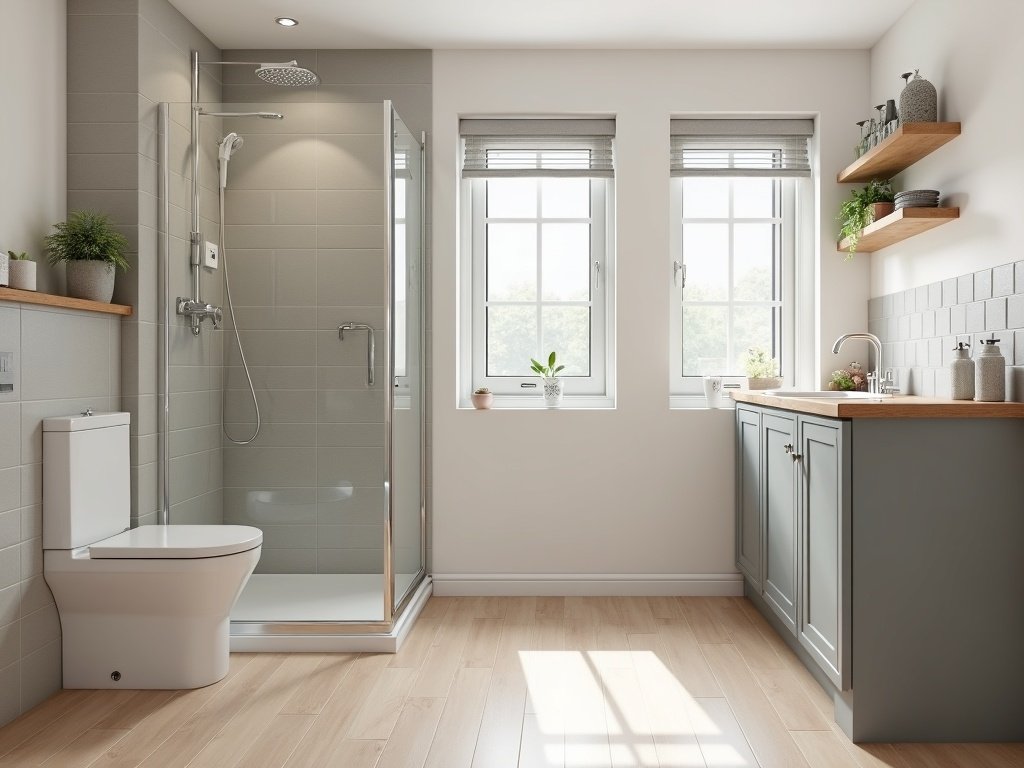
Start with a small bathroom renovation for a quick win. Upgrade a 2m x 2m space with a new 3-piece suite costing £1,000 to £2,500. Add tiling at £30 to £60 per square meter, plus lighting and labor over 5 to 7 days. Expect the total to hit £5,000 to £10,000. This refreshes the area for daily use and boosts hygiene.
For a kitchen facelift, skip a full replacement. Update cabinet doors and drawer fronts for £1,500 to £3,000. Choose laminate worktops at £50 to £150 per linear meter. Factor in sinks, splashbacks, taps, and unit painting. Aim for £4,000 to £8,000 overall. It modernizes the space without the hassle of major disruptions.
Home and Outdoor Projects
Opt for full home redecoration to refresh multiple rooms. Cover repainting, wallpapering, and new flooring at £3,000 to £7,000. Professional painting runs £400 to £700 per room. Install laminate or carpet flooring in two rooms for £30 to £50 per square meter. This elevates curb appeal and simplifies maintenance.
Explore small garden landscaping with a patio area. Create a 20 sqm space for £3,000 to £6,000. Materials cost £20 to £50 per square meter, while labor adds £40 to £60 per square meter. Include new fencing and plant beds. It expands outdoor living and adds property value.
For extra inspiration, you can explore ideas and budgets through renovation channels on YouTube:
https://www.youtube.com/watch?v=example1
https://www.youtube.com/watch?v=example2
Detailed Cost Breakdown Example: The Bathroom Renovation
I tackle a £9,000 bathroom renovation to illustrate budgeting within a £14,000 home update. This includes £2,000 for unexpected issues and £3,000 for extras like lighting or storage. Materials consume 50–60% of the budget, roughly £4,500–£5,400. Labor takes 40–50%, about £3,600–£4,500. Prices vary by region and supplier expertise, so I verify local rates to avoid surprises.
Key Material Expenses
Materials form the core of any bathroom upgrade. Select quality items that last without overspending. I allocate funds as follows to prioritize durability and style:
- Bathtub: Expect to pay £250–£600 for a basic acrylic or cast-iron model.
- Toilet & Basin: Budget £300–£800 for standard ceramics or modern composites.
- Shower with tray/enclosure: Set aside £400–£1,000 for a compact unit with adjustable features.
- Tiles for 15-20 sqm: Plan for £450–£1,200 total, at £30–£60 per square meter.
- Taps, shower mixer, accessories: Allocate £200–£600 for fixtures that enhance usability.
- Adhesives, grout, plasterboard: Reserve £100–£300 for essentials to ensure smooth installation.
Choose materials that suit your space, focusing on waterproof options to prevent future repairs.
Labor Cost Insights
Professionals drive the project forward efficiently. Contractors charge based on time and skill. Calculate daily rates to fit your schedule. For instance:
- Plumber: Requires 3–5 days at £400–£600 daily, totaling £1,200–£3,000.
- Tiler: Needs 2–3 days at £300–£450 each, costing £600–£1,350.
- Electrician: Handles specific needs in 0.5–1 day for £175–£500.
- Laborer or Handyman: Assists for 1–2 days at £200–£300 total, up to £600.
I recommend getting at least three quotes to compare rates and reliability. Factor in travel and material disposal fees. This breakdown helps me control expenses, ensuring the bathroom meets my vision without exceeding limits. Adjust based on custom designs for optimal results.
Maximizing Your £14,000 Renovation Budget: Smart Savings and Material Sourcing
I focus on strategic DIY tasks to stretch your renovation budget. You save 10–20% on labor by handling demolition, painting, and flat-pack furniture assembly yourself. For instance, painting a medium-sized room personally cuts costs by £400–£700 compared to hiring pros. Equip yourself with basic tools like brushes, rollers, and protective sheets—practice on scrap areas first to build confidence without risks.
Upcycling and refurbishing provide economical alternatives for your project. Swapping out kitchen cabinet doors and handles reduces expenses by up to 70% over full replacements. Repainting furniture runs under £50 per item, far below the £200+ for new pieces. This approach lets you refresh settings affordably while retaining charm, ideal for novices experimenting with color palettes.
Prioritizing and phasing projects enhances value. Direct funds toward high-impact updates; a complete bathroom renovation often yields better returns than overhauling an entire kitchen. Break the work into stages, tackling essentials like fixtures before aesthetics, so you avoid overspending early.
Comparison shopping uncovers hidden savings. Prices differ by up to 25% across sellers. A basin set at £400 in-store might drop to £280–£320 online. I cross-reference options to spot bargains, ensuring you secure quality without compromise.
Material sourcing during sales maximizes efficiency. Shop Bank Holiday promotions for 15–30% discounts. Comparing B&Q, Wickes, and independent merchants yields £100–£300 savings on bulk buys. Always grab samples of tiles or paint to test finishes in your space before committing.
Supplier Types
- Large DIY chains like B&Q and Wickes excel in convenience and frequent sales.
- Specialist retailers such as Victorian Plumbing and Topps Tiles offer broader selections for niche needs.
- Builders’ merchants provide superior trade discounts for volume purchases.
- Online platforms including Amazon, eBay, and Wayfair compete on price—review return and delivery terms carefully.
- Discount or outlet stores carry end-of-line items for extra bargains.
Select based on your project’s specifics to optimize costs.
DIY vs. Professional: Where to Spend and Save with Project Management Tips
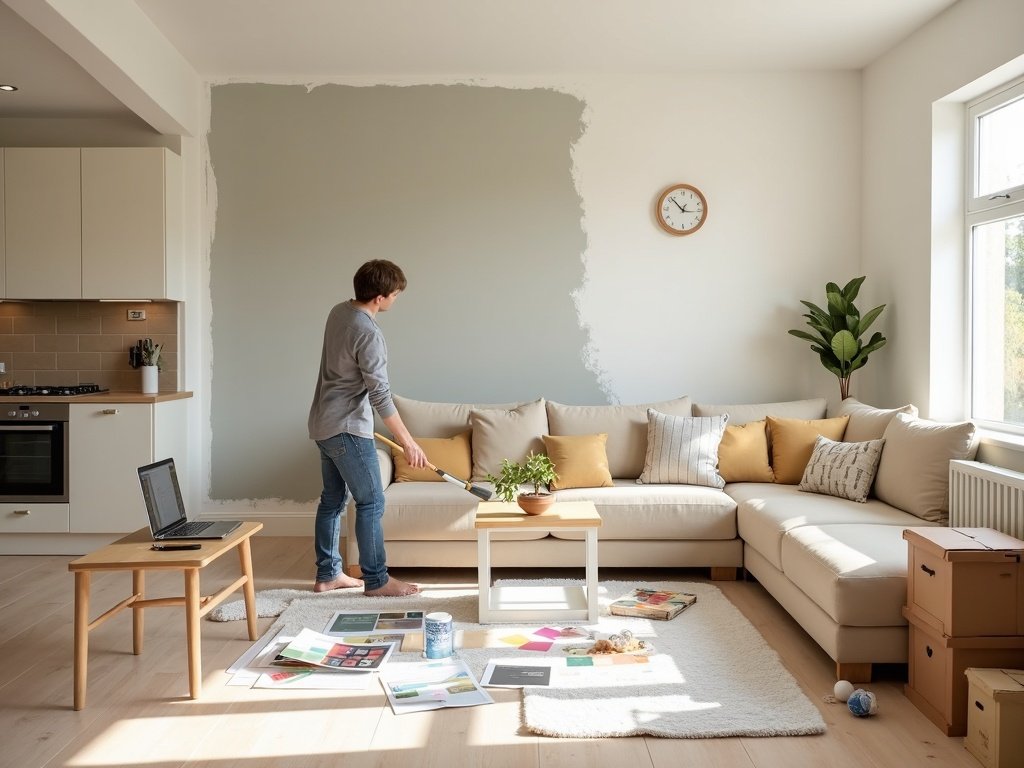
I tackle DIY projects by choosing straightforward tasks that let you control costs and timelines effectively. You’ll want to handle these ideal tasks yourself:
- Painting
- Wallpapering
- Non-structural demolition
- Furniture assembly
- Clearing gardens
- Basic landscaping
Performing these saves you labor fees and builds your confidence in the process.
Switch to professionals for complex work that demands specialized skills and avoids major headaches. Always enlist experts for:
- Gas or water plumbing
- Electricals
- Structural changes
- Intricate tiling
- Plastering
- Roofing
Remember, gas work requires a Gas Safe engineer to comply with regulations, or face penalties up to £6,000 or worse.
According to Checkatrade 2023, plumbers typically charge £40–£80 per hour, while electricians range from £45–£90 per hour. Going DIY on risks like bathroom installations might cut expenses by £1,000 initially, but repairs for leaks, mold, or subpar finishes often balloon to £3,000 or more.
Professionals also speed up timelines—for instance:
- A small bathroom revamp takes 1–2 weeks
- A kitchen facelift (focusing on doors and worktops) wraps in 2–4 days, stretching to up to 2 weeks with repainting and splashbacks
- DIY redecorating three rooms might span 3–5 days, yet pros finish in 2–3 days
Project Management Tips
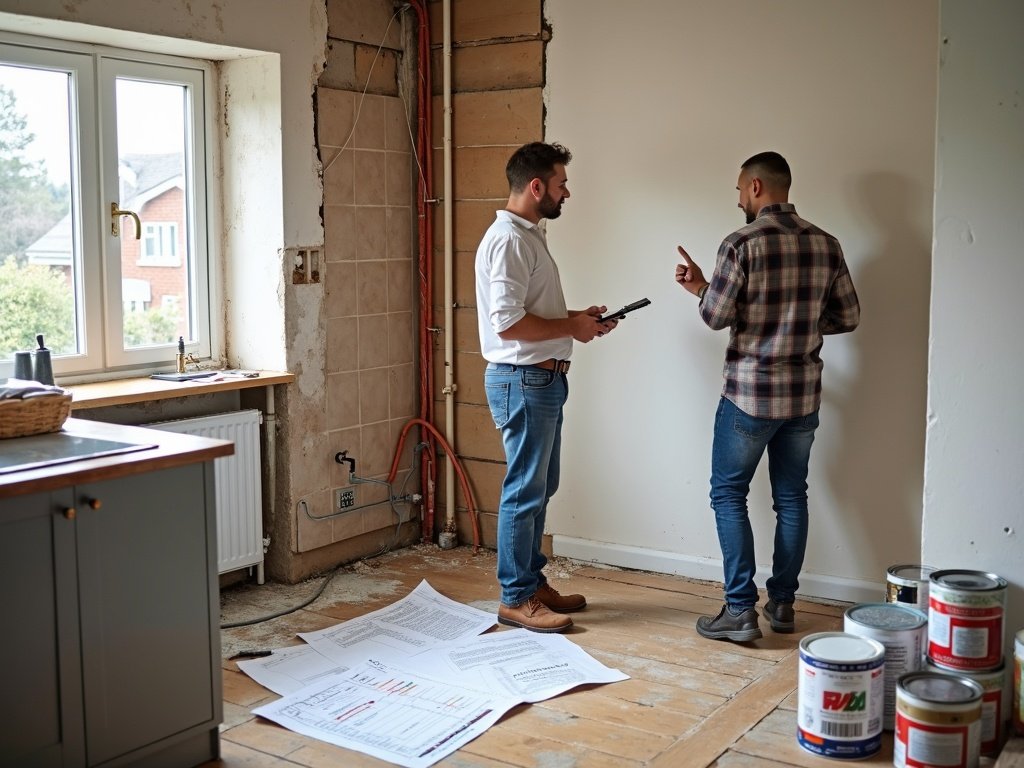
I recommend solid planning to keep your £14,000 budget intact and projects on track. Follow these organized steps for success:
- Define the project scope and budget clearly.
- Lock in designs and materials early to prevent delays and cost overruns.
- Secure at least three quotes from different tradespeople for fair pricing.
- Schedule contractors with enough notice—plumbers often need 2–3 weeks—so you minimize downtime.
- Order supplies promptly, as custom items can take 2–4 weeks to arrive.
- Track everything with a Gantt chart or simple spreadsheet, monitoring budget and progress closely.
- Maintain open communication with all contractors to catch issues early and keep the flow smooth.

Common Renovation Pitfalls to Avoid with a £14,000 Budget
Budgeting stands crucial in home renovations. Many overstep their spending limits without realizing hidden traps.
Avoiding Budget Blowouts
I allocate a 10-20% contingency fund for unexpected issues. Without this buffer, projects become twice as likely to exceed the budget due to hidden costs like plumbing repairs or structural discoveries. Once I planned a kitchen update and hit an unobstructed view of aged pipes. I used the contingency to fix them without derailing the project.
Scope creep often inflates totals by £500–£1,500 per added “must-have.” Resist temptations like impulse buys during visits to the showroom. Stick to the initial plan, and prioritize essentials first. I once added a backsplash as an afterthought, and it pushed costs higher than anticipated.
Selecting Quality Over Cost-Cutting
Choose tradespeople wisely—don’t chase the lowest quote alone. Verify accreditations like Gas Safe for plumbers or NICEIC for electricians. Read online reviews and contact references for firsthand insights.
Subpar work escalates expenses by 20-30% for repairs later. I vetted my electrician through past clients, and it prevented wiring issues that could have cost thousands.
Pay attention to regulations in £14,000 projects. Minor changes, such as installing new windows or removing internal walls, may require Building Regulation approval to ensure safety. Ignore this, and face fines from £500–£2,500. I consulted a local authority before shifting a doorway, sidestepping penalties.
Select durable materials to prevent repeat purchases. Skip bargain-basement paints for higher-quality options that cover better and last. Cheap paint sometimes demands extra coats, bumping up time and labor by 30%.
I opt for reliable tiles and plumbing fixtures that withstand wear, saving money over the long term. During a bathroom remodel, I chose sturdy fixtures, avoiding replacements I saw in cheaper installations.
Sources:
Homebuilding & Renovating Magazine: “Home Renovation Costs 2023”
Houzz UK: “UK Renovation Trends Report”
Checkatrade: “Tradesperson Rates 2023”
Property Reporter: “What Renos Add Value”
Planning Portal UK: “Building Regulations Explained”
Leave a Reply